
What Makes a Property Suitable for an HMO Conversion?
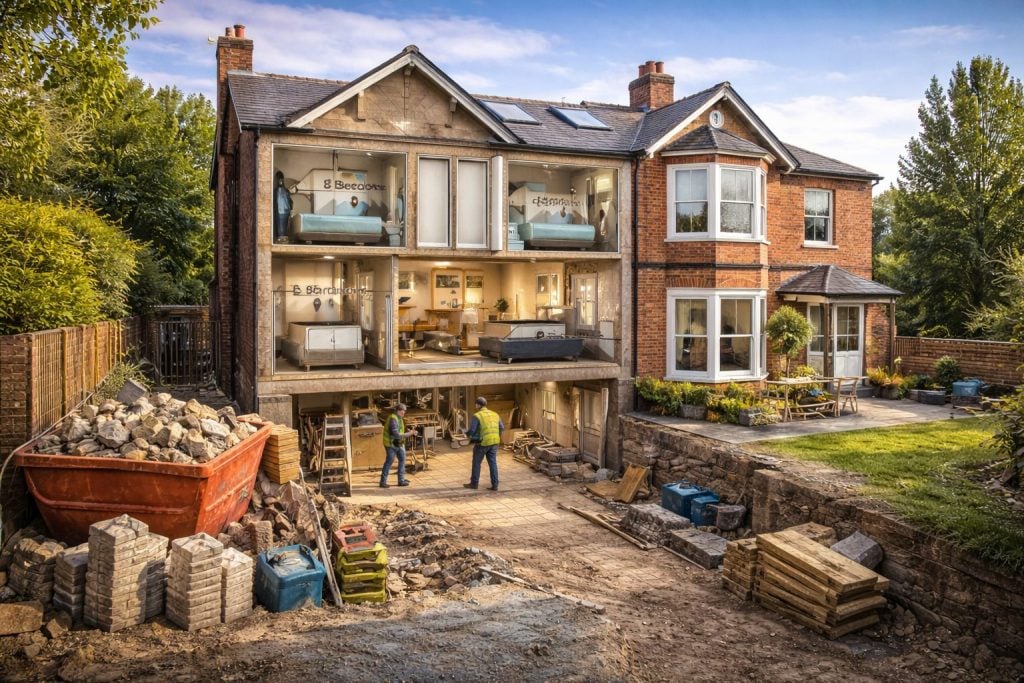
House in Multiple Occupation (HMO) properties have become one of the most popular strategies for property investors in the UK. They offer the potential for higher rental income, stronger cash flow, and stronger property yields compared to traditional buy-to-let investments. However, not every property is suitable for an HMO conversion. Choosing the right property is one of the most important decisions that will determine the success of your investment. If you’re planning an HMO conversion, it’s essential to understand which types of properties work best and what factors influence planning approval, renovation costs, and tenant demand. In this guide, we’ll explore what makes a property suitable for an HMO conversion and how investors can identify profitable opportunities. What Is an HMO Property? An HMO (House in Multiple Occupation) is a property rented to three or more tenants from different households who share facilities such as kitchens, bathrooms, or living areas. Typical HMO property types include: Because multiple tenants share the property, HMOs must comply with specific licensing rules, fire safety standards, and building regulations. When planning an HMO conversion, these requirements must be considered before purchasing the property. Why Choosing the Right Property Is Important Many first-time investors assume any house can become an HMO. Unfortunately, this is not always the case. Choosing the wrong property can result in: A property that already has a suitable layout and location will significantly reduce renovation costs and increase profitability. 1. Strong Rental Demand in the Area The first factor to consider is local rental demand. HMOs work best in areas where there is consistent demand for shared accommodation. Typical high-demand locations include: Cities with strong HMO markets include: Young professionals and students are the most common tenants for HMOs. Before starting an HMO conversion, research: High tenant demand ensures the property stays fully occupied. 2. Property Layout The layout of the property plays a major role in determining whether it can be converted into an HMO. Ideal properties usually have: For example, a 3-bedroom house with two reception rooms can often be converted into a 5-bedroom HMO with minimal structural work. Properties that require major structural alterations can significantly increase the cost of an HMO conversion. 3. Property Size Larger properties generally perform better as HMOs because they allow more tenants while still meeting legal space requirements. Typical HMO conversion examples include: Property Type Potential HMO Rooms 3-bed house 4–5 rooms 4-bed house 5–6 rooms Large terrace 6–8 rooms Large detached home 7–10 rooms However, each bedroom must meet minimum legal room size requirements. Current UK minimum bedroom sizes include: Rooms smaller than this cannot legally be rented. 4. Local Council Regulations Planning regulations vary significantly between councils. Many councils have introduced Article 4 directions, which remove permitted development rights for HMOs. This means investors must apply for full planning permission before converting a property. Before buying a property, always check: Failing to check these rules could prevent the HMO conversion entirely. 5. Space for Bathrooms and Kitchen Facilities HMO properties must provide adequate facilities for tenants. Most councils require: A suitable property should have enough room to add these facilities without overcrowding the layout. Properties with multiple floors are often easier to adapt for additional bathrooms. 6. Fire Safety Compliance Fire safety is one of the most important requirements for HMO properties. A suitable property should allow installation of: Terraced and semi-detached houses are often easier to adapt because they have simple layouts and clear escape routes. Flats or unusual layouts can require more expensive fire safety upgrades during an HMO conversion. 7. Transport and Accessibility HMO tenants often rely heavily on public transport. Properties located near: tend to attract more tenants. Accessibility is especially important for professional HMOs, where tenants may commute daily to work. 8. Structural Condition of the Property The structural condition of the property will significantly affect renovation costs. Common issues that increase costs include: Before buying, investors should arrange a professional building survey to identify potential problems. This helps avoid unexpected renovation costs during the conversion process. 9. Understanding the Target Tenant Different locations attract different types of tenants. For example: Student HMOs perform best near: Professional HMOs work well near: Understanding the target tenant allows investors to design the property appropriately. 10. Rental Yield Potential Even if the property is suitable structurally, the investment must still make financial sense. Investors should compare potential HMO income with standard buy-to-let income. Example: Standard rental income: £1,200 per month 5-room HMO: £550 per room = £2,750 per month This increase in rental income is why many investors choose HMO conversion strategies. However, HMOs also require more management and compliance. Property Types That Work Well for HMO Conversion Certain property types are particularly suitable for HMOs. Victorian Terraced Houses These often have: Large Semi-Detached Homes These properties typically offer: Former Guest Houses These may already have: This can reduce renovation costs. Properties That May Not Be Suitable Some properties can be difficult or expensive to convert. These include: These properties may require complex planning approval. Key Tips for Finding a Good HMO Property Successful HMO investors follow several important rules: ✔ Buy in areas with strong tenant demand✔ Choose properties with large bedrooms✔ Avoid properties requiring major structural changes✔ Check planning regulations before purchasing✔ Work with professionals experienced in HMO projects Proper planning reduces risk and maximises returns. Final Thoughts Not every property is suitable for an HMO conversion. The best properties combine strong rental demand, flexible layouts, sufficient room sizes, and favourable planning regulations. Investors who carefully analyse these factors can transform standard residential properties into high-yield rental investments. A well-planned HMO conversion can significantly increase rental income and deliver stronger long-term returns compared to traditional buy-to-let properties.