
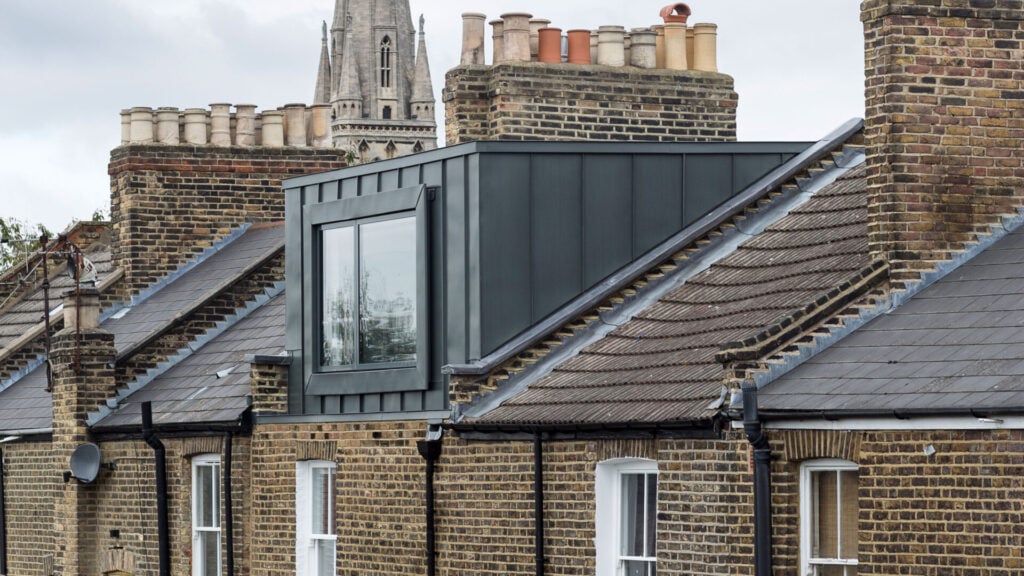
Transforming an unused attic into a bright, functional living space is one of the most rewarding home improvements a homeowner in London can undertake. A well-executed loft conversion not only increases your living space but also adds significant value to your property.
But what exactly does the loft conversion process involve — from the first idea to moving into your new space?
In this comprehensive guide, we’ll walk you through every step of a loft conversion, so you know exactly what to expect and how to prepare. Whether you’re considering extra bedrooms, a home office, or a luxurious master suite, this guide will help you make informed decisions at every stage.
1. Initial Planning and Feasibility
Before anything else, start with research.
Assess Your Space
Not all roofs are ideal for conversion. Steeply pitched roofs with sufficient head height are generally best. A professional surveyor can assess whether your loft has enough usable space and structure to support a conversion.
Check Planning Requirements
A key early consideration is whether your project will need planning permission. In many cases, loft conversions in London fall under Permitted Development Rights, meaning you may not need specific planning permission — but this depends on your property type, location, and design. For a full breakdown of criteria and when planning permission is required, see our detailed guide: Do You Need Planning Permission for a Loft Conversion in London?
Set Your Goals
Ask yourself:
- What will the space be used for?
- Do you need an ensuite bathroom?
- Do you want skylights or dormer windows?
Your goals will influence design, costs, and structural requirements.
2. Budgeting and Costs
Understanding the potential costs upfront helps prevent surprises later.
Typical Cost Range
Loft conversions in London can range widely depending on:
- Size and type of conversion (roof light, dormer, mansard)
- Materials and finishes
- Whether structural work is needed
At this stage, obtain a rough estimate from builders to help shape your budget.
Factor in Additional Costs
Remember to include:
- Architectural and engineering fees
- Planning and building regulations submissions
- VAT (where applicable)
- Contingency fund (typically 10-15%)
Budgeting carefully from the start ensures you’re financially prepared for the project ahead.
3. Design and Architectural Plans
Once you’ve decided to proceed, the next step is design.
Hire an Architect or Designer
An architect or experienced loft conversion designer will:
- Create detailed layout drawings
- Maximise usable space
- Address structural elements like joists and load-bearing walls
Consider Layout and Features
Think about:
- Staircase placement (often a challenging part of loft design)
- Natural light — skylights and dormers
- Storage solutions in eaves and alcoves
At this stage, your designer should produce a set of plans that will later be used for approvals and by your builder.
4. Structural Surveys and Engineering
Most loft conversions require structural changes — especially if new dormers or roof alterations are involved.
Structural Calculations
Your architect or structural engineer will:
- Check if existing joists and beams can support the new space
- Specify where reinforcements or new supports are needed
These calculations allow for a safe build and are typically required for building control approval.
5. Planning Permission & Building Regulations
Even if your conversion falls under Permitted Development, you’ll still need Building Regulations approval.
Planning Permission
In some cases — particularly in conservation areas or with larger conversions — planning permission may be necessary. Refer to our guide on this topic to understand when planning permission is required: Loft Conversion Planning Permission in London.
Building Regulations Approval
This is mandatory and ensures the conversion meets UK safety and standards, including:
- Structural integrity
- Fire safety (escape routes, fire doors)
- Insulation and ventilation
- Electrical compliance
A building control officer will inspect the work at key stages.
6. Choosing Your Builder
Selecting a reputable builder is crucial.
Get Multiple Quotes
Obtain at least three detailed quotes to compare:
- Scope of work
- Materials used
- Timeline
- Payment schedule
Check Credentials
Ensure your builder:
- Has experience with loft conversions
- Is familiar with London building regulations
- Can provide references or examples of past work
A good builder not only delivers quality work but also helps navigate challenges.
7. Preparation and Site Setup
Once a builder is chosen and approvals are in place, the site is prepared.
Protecting the Home
Expect:
- Dust sheets
- Floor protection in communal areas
- Designated storage space for materials
Prepare your home for disruption — conversions can take several weeks to months depending on complexity.
8. Structural Work and Roof Alterations
This is when the conversion starts to take shape.
Roofing and Dormer Construction
If you’re adding dormers or altering the roof:
- Roof tiles may be removed
- Dormer walls are constructed
- Roof framing is adjusted
This structural phase typically generates noise and debris.
Installing Support Beams
Steel beams or supports may be installed to ensure the new floor and roof are stable.
9. Windows, Skylights, and External Finishes
With the structure in place, external features come next.
Windows & Skylights
Installing roof windows and dormer windows brings natural light into your new space.
External Weatherproofing
All new roofing and materials must be properly weatherproofed to protect against London’s variable climate.
10. Internal Works: Insulation, Wiring & Plumbing
Inside the loft, the focus shifts to making it liveable.
Insulation
Cross-section insulation is vital for energy efficiency and comfort — especially in the London climate.
Electrical & Plumbing
Electricians and plumbers will:
- Wire lighting and sockets
- Install radiators or underfloor heating
- Fit bathroom plumbing (if applicable)
Compliance with building regulations is checked at this stage.
11. Walls, Floors, and Staircase Installation
As the space becomes more defined, internal finishes are added.
Flooring
Loft floors must be insulated and strengthened to support regular use.
Walls and Partitions
Plasterboard and insulation create finished walls and ceilings ready for decoration.
Staircase Installation
Choosing a staircase design that balances accessibility and space is crucial. Popular options include:
- Spiral staircases
- Space-saving ladders
- Traditional stair designs
12. Decorating and Final Touches
With all structural and mechanical work complete, the space is ready for decorating.
Painting and Decorating
Choose finishes that reflect your style and maximise light.
Lighting and Fixtures
Consider layered lighting:
- Recessed downlights
- Feature pendants
- Reading lamps near beds or desks
Built-In Storage
Use those awkward eave spaces wisely with bespoke cabinetry.
13. Final Inspections and Handover
Before you can move in, two key things happen:
Building Control Sign-Off
An inspector will review the work and confirm compliance with regulations.
Snagging List
Walk through with your builder to identify any minor fixes before final payment.
14. Move-In Day!
Once approvals are signed and snagging is complete, it’s time to enjoy your new space.
Whether it’s a master suite, guest room, home office, or creative studio, your loft conversion adds space, value, and comfort to your London home.
Conclusion: A Worthwhile Investment
A loft conversion is one of the most impactful improvements you can make to your London property. While the process involves careful planning, design, and coordination with professionals, the end result is a beautiful, functional space tailored to your needs.
From the initial design stage to move-in day, understanding each step helps you plan effectively and avoid surprises.
If you’re ready to begin your loft conversion journey and want personalised support — including planning advice, design assistance, and project management — reach out to the experts at HouseManage.