
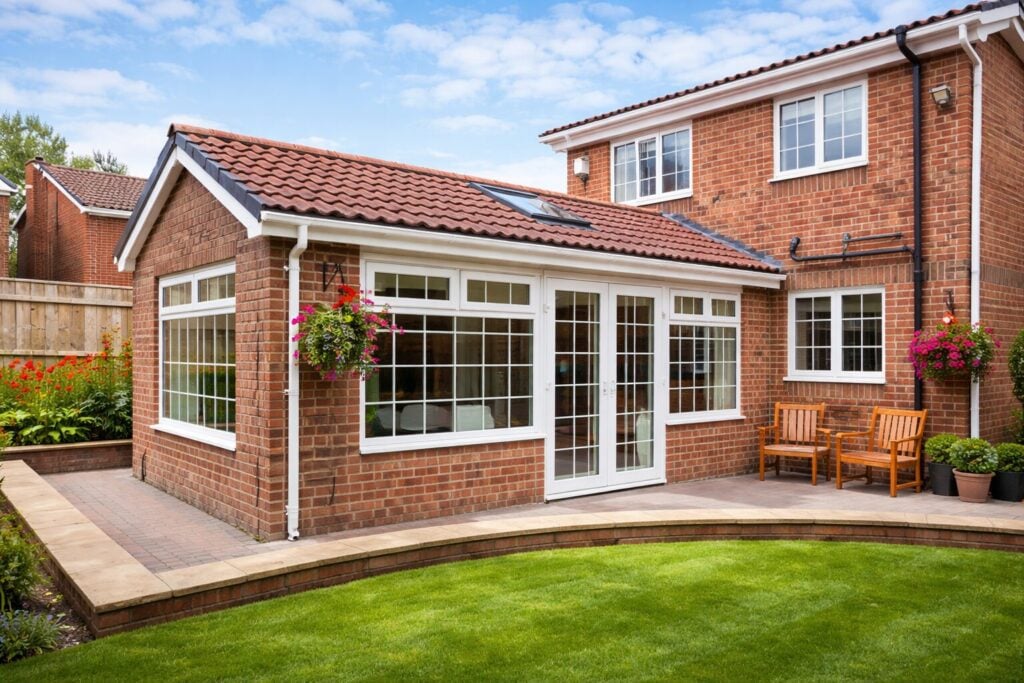
If you’re a homeowner in London looking to add space, light, and value to your property — a house extension is one of the most impactful ways to achieve it. From expanding living areas and creating open-plan kitchens to adding guest suites or home offices, extensions offer flexibility and long-term value.
But planning and executing a house extension in London isn’t as simple as picking a design and getting work started. Between planning rules, building regulations, costs, design considerations, and finding the right contractor, there’s a lot to understand — especially in a dynamic property market like London’s.
In this comprehensive 2026 guide, we’ll walk you through everything you need to know about house extensions in London, so you can make informed decisions and confidently manage your project.
What Is a House Extension?
A house extension is a construction project that enlarges your existing home by adding extra space horizontally (e.g., rear, side) or vertically (e.g., adding a floor).
Common types of extensions include:
- Rear Extensions – Extend the space at the back of your property
- Side Return Extensions – Make use of narrow passage areas
- Wraparound Extensions – Combine rear and side extensions
- Single or Double-Storey Extensions – One or two additional floors
Each type has its own design considerations, cost range, and planning requirements.
Why London Homeowners Choose House Extensions
House extensions remain extremely popular in London, and for good reasons:
1. Add Usable Living Space
Whether it’s a larger kitchen, dining area, snug, utility room, or playroom — an extension gives you space you currently don’t have.
2. Increase Property Value
Well-designed extensions can significantly boost your home’s value — often by more than the cost of the build when done right.
3. Avoid Moving House
Rather than selling and buying a new property (with all the associated fees and upheaval), many homeowners prefer to expand.
If you need professional guidance or full project management for an extension, the team at HouseManage can help from start to finish.
Step-by-Step House Extension Process
1. Initial Planning & Feasibility
Begin by understanding:
- What space you want to add
- Your budget
- Whether planning permission is required
In many cases, extensions in London will require planning permission — especially in conservation areas or for larger builds.
2. Budgeting & Cost Estimation
House extension costs in London vary widely depending on:
- The type and size of extension
- Materials used
- Structural complexity
- Local labour costs
Typical ballpark figures (2026 estimates):
| Extension Type | Average Cost per m²* |
|---|---|
| Single-storey rear | £2,000 – £3,000 |
| Wraparound | £2,500 – £3,500 |
| Side return | £2,200 – £3,200 |
| Double-storey | £3,000 – £4,500 |
*Note: These are estimates. Always get detailed quotes before proceeding.
You should also budget for:
- Architectural and engineering fees
- Building regulations plans
- Party wall agreements
- VAT
3. Design & Architecture
A well-thought-out design balances aesthetics, practicality, and compliance.
Your architect will help you refine:
- Floor layout and room placement
- Light and flow between spaces
- Structural elements (beams, supports)
- Windows and doors
Good design isn’t just about looks — it ensures the extension feels like a natural part of your home.
4. Planning Permission vs Permitted Development
London’s planning regulations can be complex.
Most single-storey rear extensions in London do require planning permission, especially if:
- You live in a conservation area
- Your property is listed
- The extension changes the roofline or footprint significantly
However, certain smaller extensions may be allowed under Permitted Development rights — but this often depends on:
- Property type
- Location
- Previous extensions
For detailed planning requirements and when permission is needed, see: https://construction.housemanage.co.uk/
5. Building Regulations Approval
Regardless of whether planning permission is needed, building regulations approval is mandatory.
This ensures:
- Structural safety
- Adequate insulation and fire safety
- Proper drainage and utilities
- Safe electrical and plumbing systems
Your architect or contractor will often handle submissions and inspections on your behalf.
6. Selecting a Builder
Choosing the right contractor is critical for cost control and quality.
When comparing builders:
📌 Check experience with London house extensions
📌 Ask for references and photos of past work
📌 Request detailed quotations and timelines
📌 Confirm building control and insurance coverage
Remember: lowest cost doesn’t always equal best quality.
7. Construction & On-Site Work
Once approvals are in place and a contract is signed, construction begins.
Typical on-site phases include:
- Site preparation
- Foundations and structural work
- Frame construction
- Roofing
- Windows and external finishes
- Internal plumbing, electrical, and HVAC
- Insulation and plastering
- Fit-outs (kitchen, bathrooms, floors, fixtures)
A well managed site minimises disruption to everyday life and keeps the build on schedule.
8. Inspections & Final Compliance
Building control officers visit at key stages to check compliance with safety standards.
Once finished, you’ll receive a completion certificate — crucial for:
- Future home sales
- Building insurance
- Legal confirmation of compliance
Common Types of London House Extensions
Let’s take a closer look at popular extension styles in London:
🔹 Rear Extension
The most common type — extends into the garden space and often opens up into the kitchen/dining area.
🔹 Side Return Extension
Perfect for terraced houses where the side corridor can be extended to create extra internal space.
🔹 Wraparound Extension
A combination of side and rear, creating a larger open-plan living space.
🔹 Double-Storey Extension
Adds significant extra floor space — often for new bedrooms, bathrooms, or larger living zones.
Design Tips for London Homes
Here are practical design tips to maximise space, light, and comfort:
✅ Use floor-to-ceiling glass or bi-fold doors for seamless indoor-outdoor flow
✅ Maximise natural light with skylights
✅ Integrate storage into structural features
✅ Match materials to the existing property for continuity
Legal Considerations in London
Party Wall Agreements
If you’re working on shared walls with neighbours (common in London), you may need a party wall agreement before construction begins.
Conservation Areas
Many London boroughs restrict external work in conservation zones — always check with your local council.
Return on Investment (ROI)
House extensions commonly deliver excellent returns in London — often adding more value than the cost of build — especially when:
- The extension increases usable living space
- It improves flow with existing rooms
- It upgrades the overall aesthetics of the home
However, market conditions vary by borough, so local property valuations should be considered.
Final Thoughts
A house extension is one of the most effective ways to enhance your London home — whether you’re planning for a growing family, a lifestyle upgrade, or future resale value.
By understanding each step — from planning and design to construction and compliance — you’ll be better prepared to navigate the process confidently.
If you’d like personalised support with design, planning permission advice, or full project management for your house extension, the experts at HouseManage are here to help.