
Should property owners invest in commercial real estate in 2022?

There is still evidence that the epidemic has had lasting repercussions on the housing market. Even though some commercial real estate markets are on the mend and expecting growth in 2022, others continue to struggle and see no signs of improvement. Planning to put money into commercial real estate in 2022? Keep reading to find out what areas of commercial real estate are promising this year, and how low-demand buildings are being used in new ways to adapt to the market’s shifting preferences. Tendencies and Predictions for the Commercial Real Estate Market in 2022 This article will examine the many areas of real estate, assessing whether or not these commercial real estate categories will be a good investment in 2022, to provide you with a comprehensive view of the commercial property landscape in the following year. Office Real Estate According to the Mercer survey, 70% of companies intend to use some kind of hybrid work paradigm. Both the potential and the practicality of hybrid and remote work have been brought to light by the pandemic. As people are starting to work in more flexible ways, there is less demand for commercial property. As a result of the rise of the hybrid workforce, businesses are either cutting the number of employees they have or using flexible office space. Since businesses now require less floor space to meet their needs, the office real estate market is expected to suffer significant losses in the coming years. Multiple Family Real Estate A noticeable uptick in the multifamily real estate market has occurred since the pandemic, and this trend is expected to persist through 2022. Strong expansion and few job openings are typical for this industry. The year 2022 sees the continuation of some 2020 trends. Tenants aren’t as concerned with being in close proximity to the business because of trends like the rise of remote work. That’s why it’s no surprise that rental flats in some areas are seeing a surge in demand. To help you decide whether or not a given piece of real estate is worth investing in, here are some criteria to consider: Choose places where the population is expanding rapidly. The rising demand for housing caused by a growing population suggests that this location is a solid bet for investors looking to buy a rental property. Your investment property will always have the potential to be sold for a profit. Choose places where the economy is expanding. A prosperous economy and a secure job market provide locals with more say over where they live while also enticing people from other places to relocate there for better work prospects. Choose a place near a university or college, because there will always be a need for housing near universities and colleges as long as students continue to commute to campus. Possibility of growth in value – Investing in real estate in a revitalizing neighbourhood may pay off handsomely if the neighbourhood recovers as planned. If the property is expected to go up in value over time, your rate of return will go up by a lot. Lastly, if you want to become a landlord, you should learn as much as you can about buying rental property management. Industrial Real Estate Despite the pandemic’s difficulties, the industrial real estate market is booming. People turned to online grocery stores and e-commerce sites in greater numbers during times of heightened security. Demand for a variety of areas in the industrial real estate market has surged as a result of this upswing. space-consuming logistical warehouses with a lot of square footage. Investment in industrial real estate in 2022 seems like a good idea, as the market’s vacancy and rental rates are both low. Should commercial real estate investors invest in 2022? Landlords that are interested in commercial real estate investments in 2022 should keep a few things in mind. Significant vacancy and rental numbers require one of two approaches. It would be wise to put money into commercial or multifamily real estate given that their respective markets are showing signs of improvement. If you want to invest in commercial real estate, you should know that businesses’ needs are always changing and be ready to repurpose or change your buildings to meet those needs. Commercial real estate investors in 2022 should study the current market and industry outlook before making any major purchases. Consult a property manager for better investment advice. Conclusion While the housing market as a whole has been slow to recover since the pandemic, there are bright spots. In contrast, the office and retail real estate markets continue to struggle, with little evidence to suggest that demand for these types of properties will improve in the foreseeable future. To be successful as a commercial landlord in 2022, you’ll need to think outside the box when it comes to properties in these areas.
Important Tenant and Landlord Laws to Remember

The rights and obligations of landlords and tenants are protected by state and federal statutes. Tenants and landlords alike should be well-versed in and abide by applicable local, state, and federal laws. Tenants are concerned with their personal safety and the protection of their legal rights during their tenancy. Landlords are in the rental business because they want to make a profit and keep their investments safe. If you wish to satisfy their wants and needs, you’ll need to have a basic knowledge of landlord-tenant law. If you’re a landlord or a renter, here’s a quick rundown of the key laws you need to know to protect yourself and your property. Tenant Protections Under State Laws The state government has enacted laws that are both reasonable and effective in terms of rental properties. Most leases include provisions outlining the responsibilities of both the landlord and tenant, as well as ending the lease and evicting a tenant. Security deposits may also be governed by state legislation. Landlords’ ability to collect and manage security deposits may be subject to such regulations. Landlords may also be required by state law to deposit rental money into a trust account. Federal Laws on Operating a Rental Property Two federal statutes, the Fair Housing Act and the Fair Credit Reporting Act, outline requirements for property managers and owners to follow. A landlord cannot discriminate against a tenant on the basis of their nationality, race, religion, sexual orientation, or handicap under the Fair Housing Act. It forbids landlords from discriminating against potential tenants on the basis of these categories. The law also prohibits the use of selective marketing strategies. To what extent a landlord can look into an applicant’s credit history is spelt out in detail by the Fair Credit Reporting Act. To comply with the rule, landlords must obtain written permission from tenants before pulling credit reports and must disclose to tenants whether or not information found in the credit report had a role in the decision to deny the application. Landlords have the responsibility of supplying their tenants with a legitimate lease. The terms of the agreement between the parties are laid out in detail here in a legally binding document. The lease agreement must include all pertinent details, including the lease term, rental rate, and tenant contact info. A security deposit, for example, may be considered a public record in some states. The lease may also include provisions recommending the renter obtain insurance. Tenant Rights to Privacy All people have the right to personal privacy. When occupying someone else’s property, tenants have the right to peace and quiet, including protection from the landlord. Tenants have the right to privacy, and the landlord should uphold that. Except in cases of emergency, tenants have the right to seek advance notice before landlords enter their rented properties. Similarly, the landlord or property manager should have cause to enter the rented space. And, of course, it needs to be completed in a timely fashion. Safe Environment Landlords have a responsibility to their renters to ensure that the rental property is safe and habitable, in addition to respecting their privacy. Insects and other pests have no business being inside the rented property. Even if an infestation arises after a tenant has moved in, it is the landlord’s responsibility to eradicate it. Thieves might be deterred from the property by installing security measures like locks and surveillance cameras. Both landlords and tenants benefit from having working smoke alarms and security systems on the premises. Finally, landlords should think about making the rental home kid-friendly by installing safety features. Upkeep and Adjustments Tenants are typically required by their lease agreement to notify the landlord of any maintenance issues that arise. If a landlord receives a maintenance request, they should reply quickly and complete the task as soon as possible. Property management software can help landlords expedite the reporting and tracking of maintenance and repairs. This will make it easier for both of you to carry out your respective roles in terms of upkeep and repair. The tenant has the right to withhold rent payments and pursue legal action if the landlord fails to respond to any maintenance report that negatively affects the tenant’s health and safety. Eviction Laws and Procedures The process of evicting tenants from a rental property needs to adhere to all applicable laws and regulations. To protect tenants’ rights, states establish regulations for the eviction process. A termination notice is required before a landlord can evict a tenant. More than that, the eviction needs to make sense. Both rental default and property destruction are acceptable grounds for eviction. Wrap up! The rights and responsibilities of tenants and landlords under the law are of equal importance. A property management company should be familiar with the rules and regulations that govern the landlord-tenant relationship to ensure that any dealings between the two parties are above board and don’t infringe on anyone’s rights. It is imperative that landlords and tenants always follow the law.
Ways to Maximize Your Rental Income

Many homeowners make the decision to rent out their house rather than sell it when they are presented with the opportunity to relocate or upgrade to a larger dwelling. This path offers a workable alternative to selling in a buyer’s market while also creating passive income for the one doing it. The professionals at House manage are available to assist you in determining whether or not this is the best option for you, as well as to assist you with finding a tenant and managing the property on your behalf. Realise what is expected of you as a landlord and what you owe to your tenants In the same way that becoming a homeowner can result in unforeseen costs and difficulties, the responsibilities of being a landlord do not always adhere to a predetermined timetable. You need a strategy to keep up with maintenance and repairs, collect rent, make insurance payments, and manage the wear and tear that your tenants will definitely do on your property. If you don’t have one, you’re going to be in trouble. Additionally, you will need to be ready to file the required taxes based on the income from your rental property. House Manage is here to assist you in the event that all of these obligations appear to be too much to handle. Our property management services include taking care of the day-to-day operations of your rental property so that you can concentrate on reaping the financial rewards of owning rental real estate. Employ professionals to handle financial management Before you decide to rent out your home, it is critical to have a conversation about the potential legal, financial, and tax repercussions with a qualified and experienced Property management company such as House Manage. These professionals can help you understand the financial and tax implications of renting out your home. These professionals can also assist you in determining a rent price that is competitive in the market and ensure that your listing and leasing agreements are in accordance with all applicable federal, state, and local regulations. PREPARING AND MARKETING YOUR HOME Although it is likely that your house does not require extensive improvements in order to function as a successful rental property, you should still take steps to ensure that it is appealing to tenants. You should make sure that the house and yard are tidy, and that all of the appliances and plumbing fixtures are in good operating order. Make a list of the attributes that set your property apart from others that are available for rent before you start advertising it. In general, renters search for features such as hardwood floors, granite or quartz worktops, stainless steel appliances, and so on. House Manage is able to provide assistance with all areas of marketing your property, including ensuring that the listing is presented to the maximum number of prospective tenants possible. CHOOSE THE APPROPRIATE TENANT The method that you use to identify and evaluate potential renters is perhaps the single most essential factor in determining the success of your rental property. Not only are the tenant or tenants responsible for the timely payment of the rent, but they also serve as the first line of defence for you against any long-term damage that may be done to your property. You are going to need someone to keep the place in order and keep it clean, as well as someone who will notify you immediately of any significant breakdowns or plumbing difficulties. Before signing any paperwork or leasing the property, it is essential to conduct reference checks and credit checks on the prospective tenant. Another essential domain in which the seasoned experts at House Manage can lend a helping hand is the one outlined above. Why Should You Consider Hiring a House Management Company for Your Rental Property? If you hire a property manager, you won’t have to worry about any of the potential sources of stress that come along with owning rental property. Not only will we manage the technicalities, including rental contracts, maintenance, and accounting, but we will also identify the ideal tenant for your property and can function as their primary point of contact for anything and everything pertaining to the property. You will be able to take advantage of our years of experience in the industry, which will ultimately lead to a lower rate of tenant turnover.
New Landlords: Follow These 7 Easy Steps to Reduce Your Stress

As a novice landlord, you might feel overwhelmed by all the responsibilities that come with managing a property. To begin maximizing your rental income and profits, you must first learn the correct property maintenance procedures. Making sure the rent is competitive Renter selection for quality assurance Obtaining monetary compensation from renters reducing vacancies among renters Maintain regular contact with renters Repairing and maintaining Financing administration The second is that you may still be feeling the effects of the pandemic… More institutional cleaning is required. Emotionally detached house-hunting adjusting to new time limits on giving the notice to vacate Having a hard time finding reliable tenants. that’s why we’ve compiled this list of 7 stress-free property management recommendations to assist you in handling the day-to-day tasks associated with managing your new real estate investments. Develop a powerful web identity Having a strong internet presence, complete with high-quality photographs and positive reviews, is essential if you want to attract and keep high-quality tenants. Your ideal tenants would include both younger generations (Millennials) and older (retirees) people because of the property’s elegant, appealing apartments. Since many people now choose to work from home, it’s important for landlords to provide accommodations that cater to a wide range of tenants’ needs. Invest in a good location With so many people having to live and work in such close proximity, finding a suitable location has never been more crucial. If you haven’t already done so, be sure that the property you intend to use as an investment is close to amenities such as bars, restaurants, stores, parks, and public transportation. Don’t forget to mention in your ads that the property is close to restaurants, shops, and other amenities. Prepare your home for rent Make sure everything in the rental property is in working order before advertising it. To achieve this goal, we must guarantee its cleanliness, safety, and upkeep. It’s time to clean up, clear out the clutter, and repair the janky stuff. It’s important to think about whether you want to rent out your property fully furnished, unfurnished, or with some furniture. Conducting Online Tours Many individuals may view the property’s characteristics at once with a virtual walk-through, which is why they are so popular. Specifically, there are two types of virtual reality that can aid in property management: semi-immersive virtual reality High-resolution 2D images, 3D photos, and movies create a virtual atmosphere that makes it feel like the prospective renters are partially immersed in it. Tenant applicants can examine the information on their mobile device or computer. fully immersive virtual reality This is the most lifelike simulation ever created, in terms of both visuals and audio. High-resolution models, photos, and videos are integrated to form the virtual world. It feels just like being there in person. Add Extra Rewards Tenants who are of high quality will appreciate it if the landlord goes the extra mile to make them feel at home. These optional additions may consist of: an additional closet Quick and dependable connectivity to the web cleaning gardening Having a positive attitude toward pets especially for HMOs, it is beneficial to have tenants pay a single monthly payment that includes rent, utilities, council tax, internet, and any other necessary services. Take Rentals in Your Area Into Account Consider Local Housing lettings if you’ve had trouble renting your home. As part of the House Manage service, we find reliable tenants who will take good care of your home. Find the best real estate agent for your needs The last piece of advice is to think about whether or not you want to be the landlord of the property and personally attend to its upkeep and maintenance (as well as finding tenants). Or if you will designate a representative to carry out these tasks on your behalf. If you do want to look for an agent, it is imperative that you talk to a person who has a good reputation. You should work on making sure you have a good working relationship with them and that they can help you manage both your investments and your tenants. Find out what aspects of their property management service are included and what aspects are not included so that you can estimate the amount of time that will be required of you. At House Manage, we help our clients manage their properties and make sure landlords are up to date on COVID health regulations.
Top 4 security measures for landlords to retain their tenants

You can save money on operating expenses every month and increase your property’s market value by investing in better security measures. Keep reading for four security recommendations that will help you keep tenants and increase your income. Invest in security Your Tenants Care About If you’re a landlord thinking about upgrading your property’s security, you need to hire a property management company to make sure your new measures actually benefit your tenants. Your property’s value will drop and your chances of keeping tenants will rise if you add security measures that make tenants’ daily lives more difficult and uncomfortable. Prioritizing ease of use is essential while deciding on the finest security measures for your home. Do you need it to be easy for renters to get inside the building? Your renters probably want to know if they can use their smartphones to manage the building’s security. The return on investment (ROI), the number of long-term tenants (LTM), and the market value of your building will all grow if the security technology you chose enhances the quality of life for your LTMs. Electronic Door and Intercom Locks Smart intercoms and door locks are one of the best investments a landlord can make. With a smart door lock, property managers may lock and open entrances from anywhere with internet access. Tenants can be given this capacity to secure and unlock their units from anywhere using a mobile device. If you leave your house and don’t double-check to be sure you locked the door, it can be a source of undue stress and worry. You can assist in alleviating your tenants’ security concerns by allowing them to handle their home’s security systems remotely via mobile devices. Permission Cards for Mobile Access If you install an apartment intercom system, you won’t need any more keys, fobs, or other forms of electronic entry. Tenants may be inconvenienced by the time and money it takes to replace their lost keycard or fob. Instead, you can use mobile credentials to regulate who enters a building. Mobile credentials allow users to gain access without having to physically submit their phones to a reader. Wave your hand in front of the reader, and it will unlock the door via Bluetooth connection to their phones. To prevent the transmission of germs on buttons and keypads and to provide faster and more convenient access, Bluetooth-enabled entry is touchless. Verification of Identities The potential for an intruder to obtain access credentials and use them to enter the building illegally is a major hole in any access control system. The high-definition video that is integrated into a video intercom reader makes it possible to check visitors’ identities before they are admitted to the facility. Tenants who have misplaced their access device and are unable to get entry to the building can use the intercom to get in touch with you. In order to remotely unlock the door for a tenant, you can examine the video to make sure they are who they say they are. The quicker tenants can get back in, the less at risk they are when locked out, and the more streamlined the procedure for replacing lost access devices may be. Use Cloud-Based Video Technology You and your renters can get better access to security data from anywhere with cloud-based video surveillance. Viewing the live stream from the security cameras is a simple way for you or your tenants to keep tabs on the property management while you’re not there. Your tenants will no longer have to worry about parcel theft because they can track their packages online. You and the management staff of the building will be able to respond faster to security incidents and conduct investigations into security risks without having to visit the site physically. Integrate Security Technology When you invest in a cloud-based security solution that has open API interfaces, you may create a unified security infrastructure. Among the most useful additions to a building’s security are: Access control and video surveillance Identity verification can be facilitated by installing a video intercom reader or combining video surveillance and access control. Your security staff will be able to quickly verify identities with the help of both access logs and a live video stream. Smart building technology For cutting-edge facilities management, connect the building’s security system to the Internet of Things. By basing building management triggers on access control events, for instance, you may reduce energy consumption and monthly operating expenses. When a tenant walks into a room, the lights and other electronics there will automatically turn on. The equipment will turn off as soon as they leave. Visitor management Automation of visitor registration via mobile devices is made possible through the integration of visitor management software with access control. Registered guests are granted temporary access credentials allowing them to enter the building. Signing out of the system happens immediately after they leave. Avoiding the need to pay for a full-time receptionist force by using this software is a huge money saver. Wrap up! Tenant satisfaction should be a top focus if you’re looking to improve the safety of your rental homes. Attract and maintain renters more rapidly by enhancing tenant convenience and protecting the building with cutting-edge security systems. With the help of automation, security technology can potentially increase the value of your property.
Recent UK stamp duty reforms for the year 2022

The stamp duty was adjusted to make it easier for first-time purchasers to get a foot on the housing ladder. The reduction in the amount of stamp duty that must be paid on properties with a value of up to two hundred and fifty thousand pounds was announced by the Chancellor, Kwasi Kwarteng. This is a big increase from the previous amount, which was £125,000, and it applies not only to people who are buying a home for the first time but also to people who already own a home. According to Rightmove data, this means that 33% of all homes currently for sale in London are exempt from paying any stamp duty. What is Stamp Duty? When a person purchases a home, the buyer is responsible for paying a tax known as stamp duty. Few days back, buyers of homes or portions of homes valued at more than £125,000 did not need to pay any stamp duty. This figure is now set at £250,000 for all purchases and £425,000 for those who are making their first purchase. For instance, the former rate of stamp duty on the acquisition of a home costing £425,000 was 5%, which meant that first-time buyers were required to pay an additional tax payment of £21,250 on their purchase. First-time purchasers will no longer be required to make any kind of tax payment whatsoever on a house purchase of the same value. In addition, if you are a first-time buyer and you purchase a home with a value of £625,000 or less, you will not be required to pay stamp duty on the portion of the purchase price that is priced at less than £425,000. You will not have to pay 5% on the entire £625,000 because you will only have to pay 5% on the first £200,000; this will save you over £20,000 in taxes. What kind of impact will the adjustments have on the real estate market? After the COVID-19 epidemic, the government decided to take action to stimulate the housing market by instituting a stamp duty holiday in July 2020. The goal of the vacation was to stimulate the housing market, which had been in a stalemate since the pandemic. The first month saw an increase of about 16% in the number of house sales, which also led to an increase in the prices of available homes. In light of the latest modification to stamp duty, we posed this question to James Redington, who is in charge of both sales and lettings at our company: how would this affect the property market? “The recent and, some would argue, long overdue adjustments to stamp duty will continue to assist the property management companies. It will encourage lots of purchasers wanting to climb onto the property ladder in what is still a competitive market in London, and it is particularly useful for first-time buyers, who can now take advantage of some big savings that are now available to them. It was good to hear that these changes would go into effect right away and stay in place, unlike the changes that had been made in the past, which were only available for a short time. There will not be a significant increase in purchasing activity like there was in the previous year because the recent cuts to stamp duty are here to stay. However, the current moment is the best time to buy in terms of London’s real estate market. A property manager can advise the investor’s advantage to pay a mortgage on an investment property rather than pay rent on the same property. Get in touch with us as soon as possible if you’re interested in climbing the corporate ladder.
How Keyless Entry Systems Can Aid in the Efficient Management of Properties?
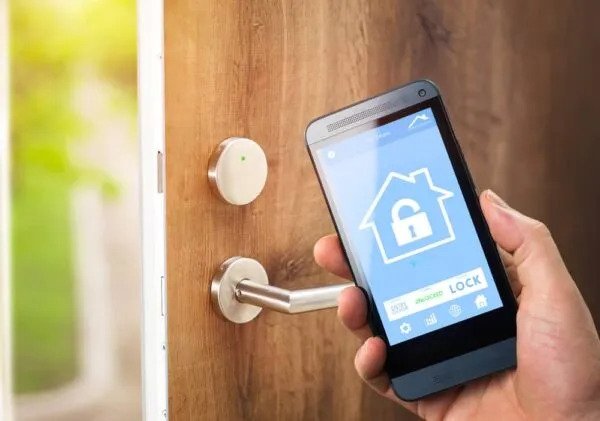
Landlords should make advantage of any and all resources available to them in order to efficiently organize and manage their properties. Landlords have an obligation to provide a safe and comfortable environment for their tenants. Data on burglary rates shows that tenants are more likely to be victims than homeowners and that the average cost of burglary losses is more than $2,500. So, how can managers of rental properties make their buildings safer for their tenants? Keep reading to learn useful information that will help you better organize and protect your properties. In this piece, we’ll look at how keyless entry systems can benefit property managers and how they can ultimately lead to happier tenants. The property management advantages of keyless entry systems Although access control is primarily used for security purposes, it can also serve other purposes. In this section, we’ll talk about the benefits of putting in place a keyless entry system that talks to your property management software. Improved Safety Door lock systems that require a keyless access card to allow entry can help prevent unwanted entry. It’s important to replace any physical locks on your building with digital or biometric alternatives. With keyless entry, a paper trail is created because the system records which devices and cards were used to enter the premises. A lost or stolen access card can be turned off from a distance to stop it from being used again. Simpler Access for Renters Tenants will appreciate the convenience of a keyless entry system that only requires a mobile device or access code to enter the property. Tenants can experience a tremendous amount of worry if they lose their physical keys and find themselves stranded outside the building late at night without a way to go inside. This is a fantastic method to ensure the security of your tenants. Resolution Of Incidents More Rapidly By coupling the video camera feed with an access system, you may observe the access card used as well as a video of the individual entering the facility to identify how access was misused and then notify law enforcement or take the required steps to rectify the issue. If you can immediately handle such situations, your tenants will feel less insecure and safer in their homes. Property Management’s Integrated Features Want to get the most out of whatever property management company system you install? The access system can serve as a foundation for additional features that will improve the property’s management efficiency. In this part, we’ll talk about some of the good things you can add to your system. Occupancy Administration Using occupancy management software in conjunction with access control, you can determine how many individuals are inside a property. This will be useful during an emergency evacuation of the building, allowing you to determine the actual number of individuals inside. It can also help you determine which of your facility’s facilities are the most popular and which are unnecessary and could be replaced with something else. Amenity Reserving Booking amenities is an excellent method to guarantee that your property provides renters with health and safety measures. You can set a limit on how many renters can be in the gym or pool area at once. This way, they can book half-hour time blocks to use the amenities in a safer way. Video Management Video management is vital for the safety of a building. It allows you to see who is entering, ensuring that only authorized individuals have access. It puts information about access and video feed on a single screen, making it easier for your security staff to use. Does Access Control Pose Any Disadvantages? Cost is the primary disadvantage associated with access control. However, this fear can be mitigated by considering the value-added security your facility provides through its residents’ comfort. It is a good investment because it could save time for property managers who have to replace keys and deal with security problems. Wrap up! If the safety of your renters is important to you, you may wish to install building access control. You will design your security and manage your facilities more efficiently, making your buildings safer and more livable. Think about adding integrations to your system to help people get the most out of the building’s facilities.
What will tenants be seeking in 2022?

As a landlord, you need always to be aware of new residential trends in order to sell your home in the most desirable manner. In 2021, a lot more people wanted to rent, especially in London, where 27% of people rent privately, compared to 17% in the rest of the country. Within this increase, a variety of trends emerged, most of which were spawned by the volatility of COVID-19 and its periodic lockdowns. House management stays abreast of the most recent market trends so that we can keep you informed. We have compiled a list of the most significant tenant behaviour changes and trends to watch in 2022. Pet-friendly lets Only a few months after the onset of the epidemic, property managers and the media reported an increase in inquiries for pet-friendly housing. One of the best ways to get a lot of tenants is to advertise that your home or property is pet-friendly, especially if it’s in an area with a lot of green space. Accepting some hazards, such as property damage or unpleasant odours, might make the decision to allow pets on your property challenging. But it’s important to remember that there are no laws that say dogs can’t live in rental properties, and landlords must have a good reason for not letting them stay. Another factor to consider is the protection afforded by the tenant’s security deposit in the event that something must be replaced or repaired. Also, if you hire House Manage to take care of your property, we will take care of any repairs or maintenance that need to be done. Outdoor space Unsurprisingly, following nearly two years of intermittent lockdowns, tenants continue to seek out houses with outside space. Whether it is a balcony, patio, or shared or separate garden, it is highly tempting to be able to enjoy some fresh air or sunshine without having to travel to a nearby park. Tenants are particularly interested in outdoor areas that are low-maintenance, private, and offer additional features such as outdoor heating or even hot tubs. Possessing any of these things could boost your property’s rental value. Strangely, there has also been a rise in the number of tenants who want indoor pools, even though this is a very rare amenity. A home workplace As more and more people in London work from home or use hybrid working to avoid rush hour, high commute costs, and early alarms, the desire for a home office keeps going up. Renters are willing to pay a bit more to property management companies to get a home with a separate office area, especially since they will be saving money on commuting. This has also made more people want to live in London apartments with two bedrooms, especially those where the second bedroom is often used as a home office. Green attributes As 2022 progresses, residents are seeking residences that are not only perfectly suited to them but also environmentally conscientious. As climate concerns increase, intelligent meters, higher EPC ratings, and access to renewable energy become increasingly attractive. To keep up with the quality of purpose-built homes, making your home more environmentally friendly will become more and more important. In addition, potential tenants seek out neighbourhoods that can be reached on foot or by bicycle in order to avoid driving or using public transportation. Putting money into homes that will last and be good for the future of the next generation is a good idea. Flexibility Obviously, nobody knows with certainty what 2023 will bring. In the rental market, adaptability will become more vital than ever. Tenants are on the lookout for possibilities such as easily extendable leases, short-term rentals, a more flexible approach to guarantors, and pet-friendly residences. By exhibiting flexibility and understanding, both parties are more likely to obtain what they desire from a lease agreement. Please get in touch with our property management team if you want advice on how to find tenants or how to make some of these changes to your house.
Why are EPC Certificates Mandatory for Landlords?

In March of 2018, legislation known as the Energy Performance of Buildings Act (EPB) took effect, and with it came new requirements for how efficiently buildings use energy. New leases must comply with the regulations beginning in April 2018, while current leases must do so beginning in April 2020. In 2021, it was said that the minimum standards for energy efficiency that had to be met by law would be raised starting in 2025. What is a Certificate of Energy Performance (EPC)? An Energy Performance Certificate (EPC) is a document containing information on the energy efficiency of a rental property. Before a property can be rented out or put up for sale, the owner must get a certificate. You can take help from a property management company. An energy assessment survey must be conducted on the rental property in order to obtain an EPC. Your domestic energy assessor will look at both the inside and outside of the building to figure out how energy efficient it is now and what changes could be made to make it more energy efficient. Your home must undergo an energy assessment survey before obtaining an EPC. Your Domestic Energy Assessor will look at how energy-efficient your building is and how much more efficient it can be by making changes. When your assessor arrives, they will consider the following: The windows Heating systems and boilers Renewable energy sources (solar panels or wind turbines) Fireplaces Lighting in the home Building measurements When the property was constructed After a thorough evaluation, your assessor will write up your EPC and give it a grade of “A,” “B,” “C,” “D,” or “E” for its energy performance. After completing the inspection, the assessor will create a 10-year-valid energy performance certificate. The certificate will tell you how much energy the property uses, what its current energy efficiency EPC rating is, and what improvements could be made. It is essential to realize that an EPC and a home energy report are distinct. The owners may get a home energy study, which offers recommendations on how to make the rental property more energy efficient. By law, a home must have an EPC before it can be sold or rented out. Why must landlords obtain an EPC? The Energy Performance Certificate (EPC) is essential because it helps prospective tenants or buyers understand the energy efficiency of a home. The certificate will detail the current energy efficiency EPC rating as well as measures that could be taken to improve it. If tenants and buyers know how energy efficient a property is, they can make an informed choice about whether or not it is a good place to live or buy. Also, landlords are required by law to make sure that their properties meet certain minimum energy efficiency standards. Your EPC is valid for 10 years following its issuance. If you get new tenants or sell your house, you must get a new one, unless the lease says that both parties can agree to extend the term. If yours has expired, you do not need to obtain a new energy performance certificate. If you intend to rent or sell the home, you must obtain a fresh EPC. What are the advantages of possessing an EPC? Energy Performance Certificates are advantageous for a variety of reasons: It can help you figure out how energy-efficient your rental property is and what changes you can make to get a higher EPC rating. It might help prospective tenants or buyers understand your property’s operating costs. It can prevent penalties for failing to satisfy minimal energy efficiency criteria. If you are considering selling or renting your property, an EPC is a powerful marketing tool that can make it more appealing to prospective buyers or renters. The property manager can help you comprehend these advantages. What EPC preparations are required of landlords? If you do not have an EPC, schedule your energy assessment immediately. The examination itself takes about 30 to 40 minutes, but the required changes could take weeks if your home does not meet E or above standards. The landlord is responsible for reviewing their EPC report and ensuring that the property has the required EPC grade. Landlords may spend up to £3,500 on these energy efficiency upgrades, including any government cash or awards from local councils or energy suppliers. If the cost of the changes you want to make is more than £3,500, you can use the PRS Exemptions Register to apply for a high-cost exemption. What effects do these new EPC regulations have on landlords? An understanding of EPC regulations is required for property management. Landlords need to review these EPC regulations carefully, Landlords may be charged thousands of dollars if a property must be upgraded from an E to a C rating. Landlords will have to insulate their buildings or add other “fabric first” features that help keeps heat in and light in. If you want to promote your house for rent after 2025, you must provide letting agents with up-to-date, compliant EPCs. If your property does not have a grade of C or higher, however, you will not be permitted to promote it. By 2025, all rental homes will be required to have an EPC rating of C or higher. At first, only newly rented homes will have to follow the new rules. By 2028, all other rentals will have to follow the same rules. Financial aid to cover the cost of the new EPC regulations Some landlord associations and regulatory authorities are requesting funding to assist landlords with energy efficiency improvements. The Association of Residential Letting Agents (ARLA) thinks that many landlords may not be able to meet the new requirements. The tax reforms have had an impact on landlords and their leasing agents, and some are unable to obtain support for tenants with arrears due to COVID-19. Because of this financial stress on landlords, there will be less rental housing for people who need it. Now that the consultation is over and the
How to Decrease Vacancy Rates in Your Rental Properties?

One of the main concerns of property managers is the high rate of tenant turnover. Tenant turnover may have a devastating effect on a community, so it’s crucial to keep track of the money lost as a result and look for ways to mitigate the problem. If you invest in making your property more amenable to the demands of your renters, you can keep them and avoid the costs associated with vacancy. The majority of property owners are aware that renters typically vacate because of a significant personal change, such as relocating for a new job or starting a family. Some tenants move out for reasons that are beyond the control of the property management company, but other reasons are more easily addressed. Modern tenants look for hospitable interactions with their landlords in addition to desirable amenities and reasonable prices. Property managers can increase their chances of keeping their tenants in the new year by focusing on the following concerns: 1. Improving the Tenant Screening Process Landlords typically look for tenants with good personalities and a steady income and cross their fingers. To make sure your community is filled with compatible tenants, though, it’s important to create a thorough process for checking their backgrounds. If problems are found and fixed quickly, background checks can help keep jobs from being filled too soon. 2. Do not increase rent Every landlord eventually has to raise rents to keep up with inflation, but if you do it too often or raise them by too much, you risk seeing a significant portion of your community leave. Tenants may find reasons to leave, such as an unexpected rise in rent, even if they had not been thinking about moving previously. Be prepared to raise rents by having a steady stream of renters who are willing to pay the higher prices. 3. Guarantee quick replies If landlords don’t address tenants’ issues quickly, they risk losing them as tenants. Not only that, but modern tenants have high expectations when it comes to the ease with which they can get in touch with landlords. Whenever possible, many communication channels, including texting, emailing, and calling should be provided. If a renter has a problem, you should do your best to address it quickly and in a way that is unique to them. 4. Make regular improvements Your duty as property manager includes making sure that all of the apartments are kept in satisfactory shape. Locate a place for tenants to lock up their bikes and/or store their packages so they won’t leave for a building that has these features, and you won’t lose tenants to competing buildings. Tenants will notice if you don’t take good care of your property and may look elsewhere for a place to live. 5. Invest smartly Nice areas with expanding job opportunities and reliable public transportation tend to attract a higher quality tenant pool. In order to maximize your return on investment, look for buildings that satisfy these characteristics. This means fewer vacancies and higher ROI because tenants are more likely to stay put for the long haul. 6. Provide tenants with incentives Tenants who are ready to sign a longer lease term could be incentivized with additional perks. As a tenant retention incentive, you could, for instance, guarantee rent for a period of two years. You might also offer incentives like discounts on local goods and services or little gifts to tenants who renew their leases. There are almost endless possibilities, such as giving a small reward to tenants who pay their rent on time. 7. Improve your property Select an integrated property management system to simplify responses to tenant issues and other administrative tasks. By updating your property in this way, you can demonstrate to your tenants that you care about their comfort and your relationship with them. Not only will your tenants appreciate the extra work, but you’ll also save time and energy by responding to questions and complaints from tenants in one place. 8. Create better connections You should think of your tenants more as companions than as cash cows. To build trust and a feeling of community among your renters, it’s important to take the time to get to know each one individually. 9. Ensure open conversation Tenants with problems in their apartments are already frustrated, but landlords who don’t keep them in the loop about when the problem will be fixed just add insult to injury. Keep an available line of contact with your tenants so that you can comfort them in the event of an emergency. If you really care about making them happy, you’ll be upfront about the problem and eager to provide quick fixes wherever possible. 10. Stay in touch Relocation is not typically a haphazard decision for a tenant. Most likely, they have let their discontent with the neighbourhood grow until it has finally reached a tipping point, prompting them to leave. Keeping in touch with your residents is the best approach to determining how they feel about their living situation. Pay close attention to their complaints and consider what, if anything, you can do to make them feel more at ease with As a landlord, you may feel stressed out by the constant need to find new tenants for your rental property. We have been able to help landlords keep their tenants by giving them full management services at House Manage.